

The Vivo X100 Pro was, hands down, my camera phone of 2025. When I reviewed the device, I was blown away by what its cameras could do, especially in portraits. But beyond that, the phone just worked as a flagship phone with terrific hardware, good battery life, and an attractive design. One wonders how the Vivo X200 Pro can even take things up a notch, but here we are. The Vivo X200 Pro not only touts an improved camera system, but also gets a newer, more powerful chipset, bigger battery, and more.
Verdict
The Vivo X200 Pro is among the first batch of flagships that will set the standard for high-end phones in 2025, and it doesn’t disappoint in the slightest. I was already impressed with the cameras on the X100 Pro, and my appreciation has grown even more for the X200 Pro. Its ZEISS-backed rear camera system is outstanding and versatile, led by an exceptional 200MP telephoto camera. Furthermore, the X200 Pro excels in display, performance, and battery life, offering a complete flagship experience that justifies its price tag.Design and display
The Vivo X200 Pro might seem like a bulky phone at first, but it feels great to hold and substantial in the hand once you get used to it. In fact, it is marginally shorter and slimmer than the Vivo X100 Pro. The Cosmos Black colour variant is also lighter than the X100 Pro (225 grams) by a couple of grams. The Titanium Gray option, however, is slightly heavier at 228 grams, which, as per Vivo, is due to the materials used.
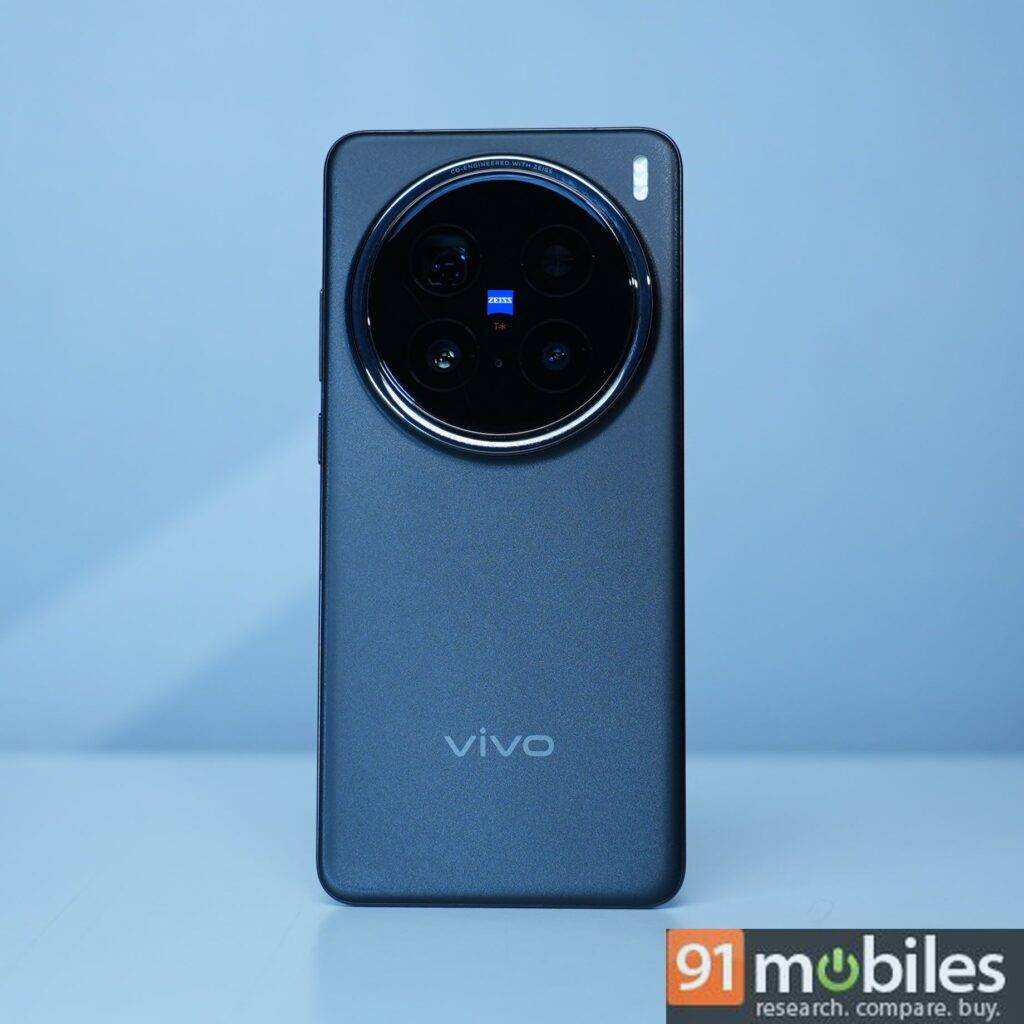
The rear camera system is the main attraction and never lets you forget this as it takes up a good portion of the rear panel. The circular module is bigger in size than the one on the X100 Pro, but it doesn’t add to the overall thickness of the device, which is great. The back panel has a smooth, matte finish that is quite slippery to hold and it is advised to use the clear silicone case provided in the box. Overall, the X200 Pro feels as premium as they come and is worth every penny of its asking price. However, its weight and rear camera module make it slightly challenging for one-handed use.
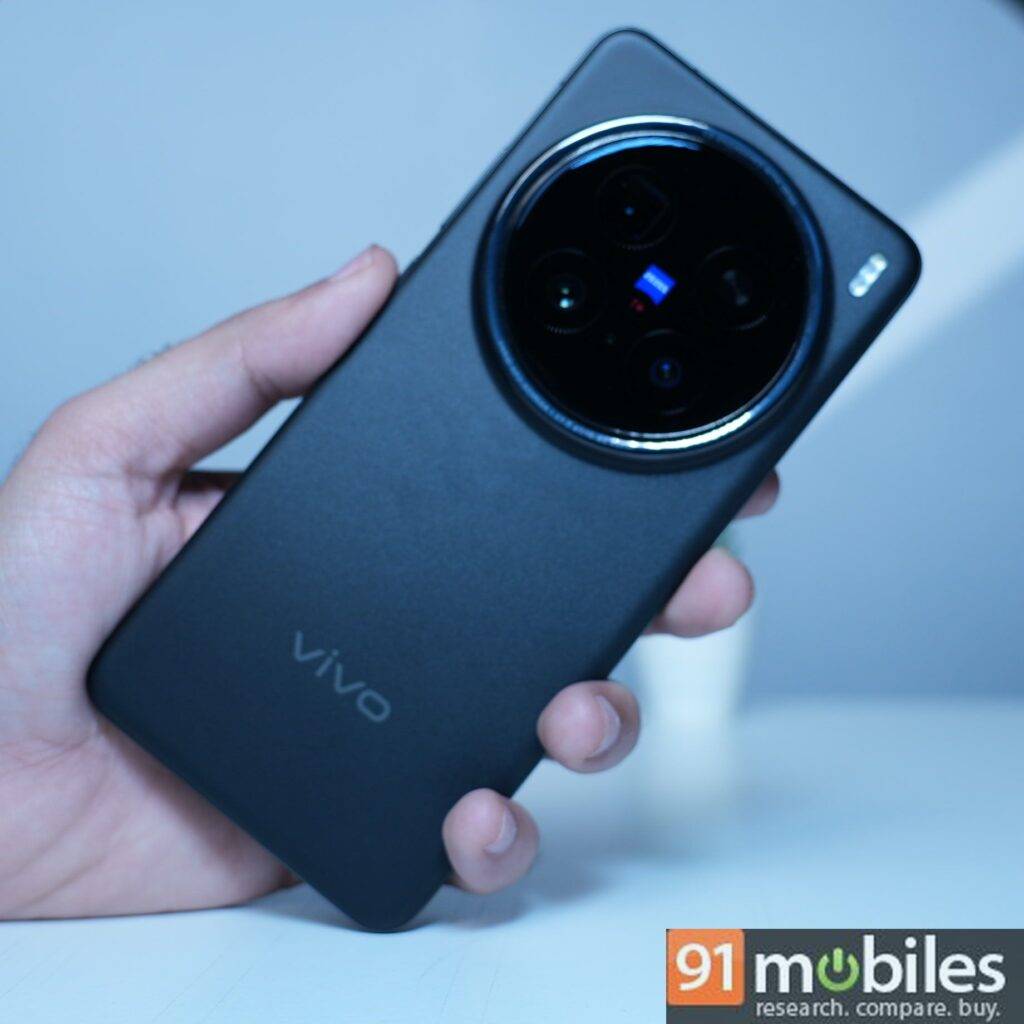
The X200 Pro gets both IP68 and IP69 ratings, which means it is resistant to water splashes, water and dust. It has been tested to survive in fresh water up to 1.5 meters for up to 30 seconds.
Coming to the display, the Vivo X200 Pro gets a quad-curved screen that is subtly rounded around the sides and corners. With a 6.78-inch 1.5K AMOLED display and extremely thin bezels, the Vivo X200 Pro delivers a stunning screen that is both vibrant and immersive. The X200 Pro uses an 8T LTPO panel with an adaptive dynamic refresh rate that ranges from as low as 0.1Hz all the way to 120Hz. The display supports up to 4500 nits local peak brightness, 1.07 billion colours, Dolby Vision and HDR on supported apps like Netflix.
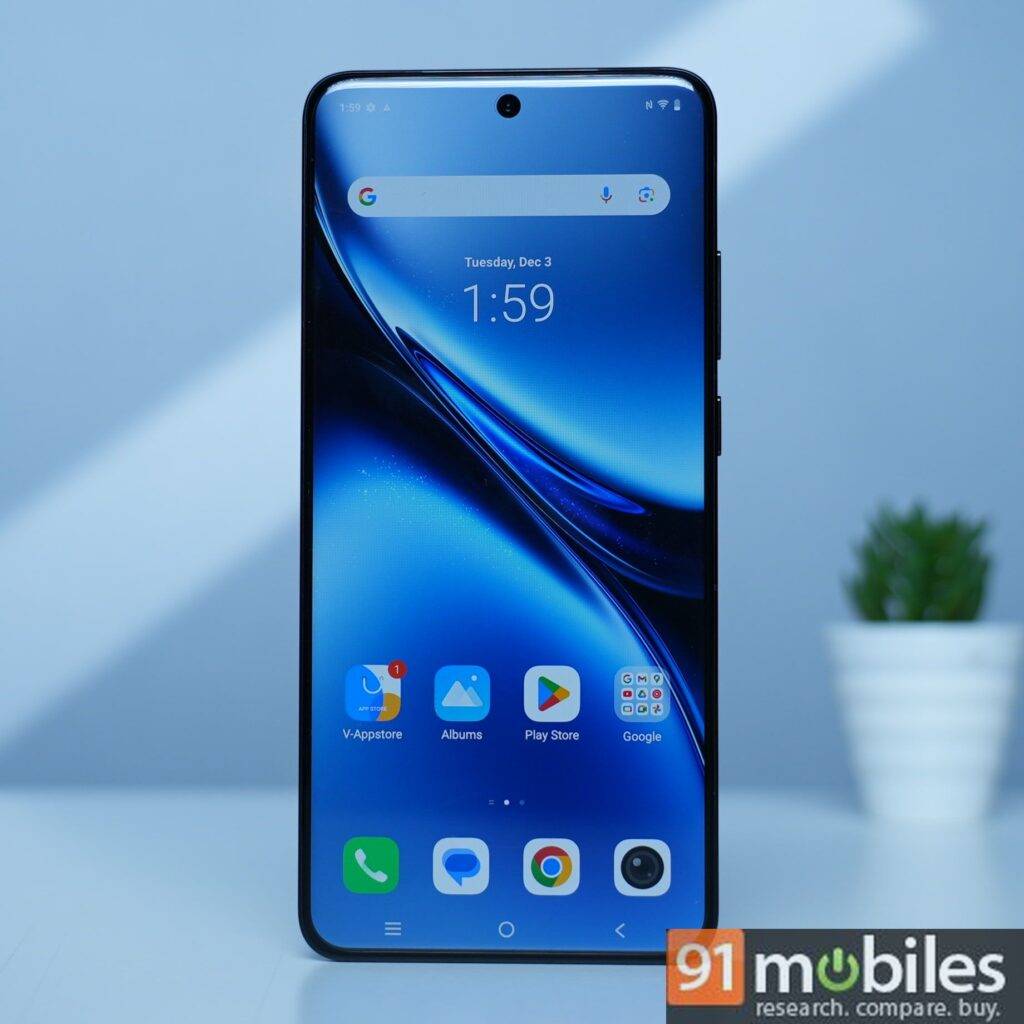
Another important display-related feature is that the X200 Pro supports 2160Hz PWM Dimming which reduces flicker and eye strain, especially when browsing in low light. Lastly, the display is protected by Armor Glass, which Vivo claims provides 11x better drop resistance compared to the glass on the Vivo X100 Pro.
Cameras
Coming to the main attraction of the Vivo X200 Pro: cameras. As I mentioned earlier, the X100 Pro was my camera phone of 2024, and the X200 Pro has only further impressed me. This time around, Vivo has bumped up the telephoto camera sensor to 200MP from 50MP, ensuring far sharper zoom photos that will come in handy for both portraits and macros. Yes, you can shoot some stunning macros using the telephoto lens and it is by far one of the best telephoto cameras on a smartphone right now.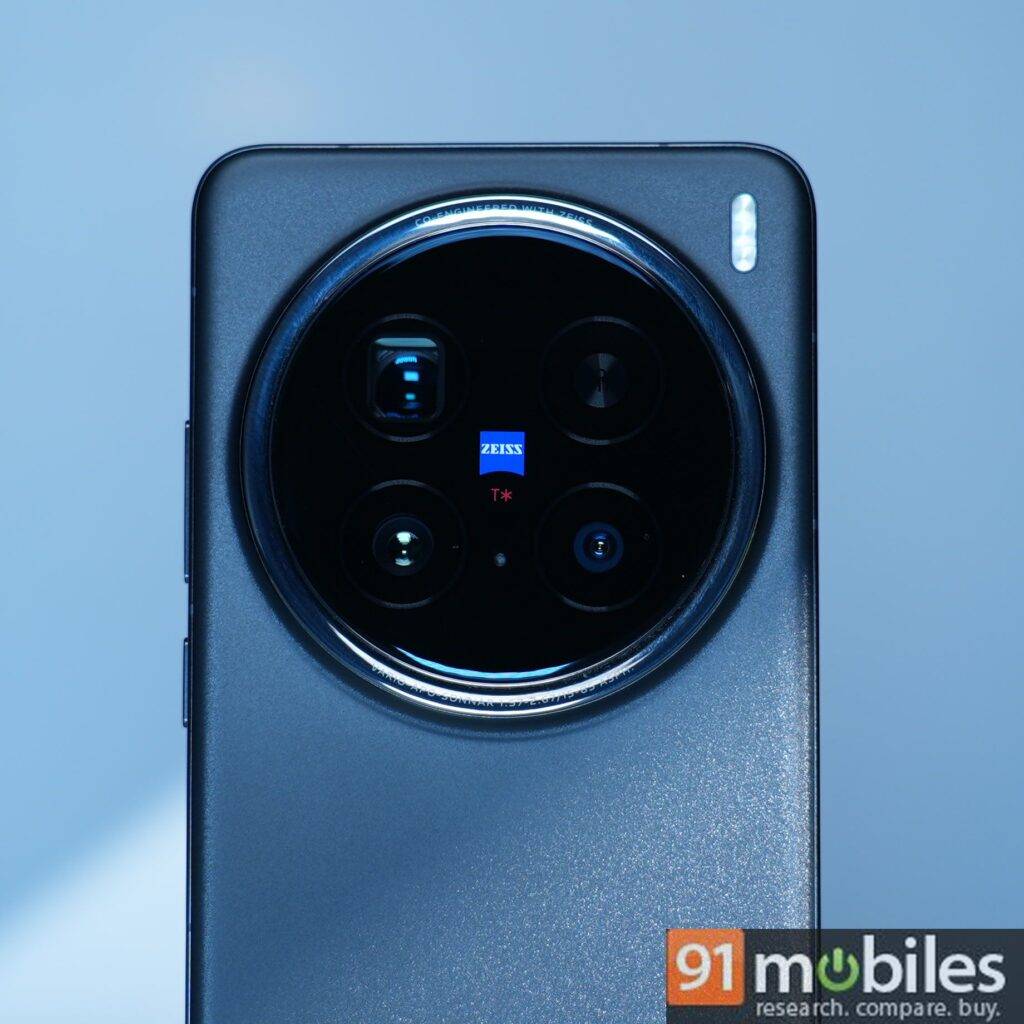
You can read my camera review of the Vivo X200 Pro to check out how the flagship performs against the likes of the OPPO Find X8 Pro and iPhone 16 Pro in a standard camera shootout. Here, I’ll be taking about everything else the Vivo X200 Pro’s camera system offers.


Let’s start with the 200MP telephoto lens, which is easily the star of the show. A definitive upgrade from the 50MP primary camera from the X100 Pro, the 200MP telephoto lens not only captures detailed portraits in 3.7x (85mm) and 5.9x (135mm), but also lets you capture stunning close-up macros, like the one below.

Here’s a portrait using the telephoto lens at 135mm. Notice the sharpness of the dog’s facial features and fur along with a seamless background blur.

Below is a telephoto sunset shot taken in 10x (230mm). The camera was able to capture near-accurate colours of the sun while ensuring the overall clarity of the image.

The usual ZEISS bokeh modes exist, such as Biotar, B-speed, Sonnar, Planar, and more for you to experiment with to capture attractive background bokeh effects in low-light scenes. While portraits with these ZEISS modes look really nice, the X200 Pro tends to soften facial features in low-light conditions.
Meanwhile, Night mode has been merged with Landscape mode, and you’ll need to use the latter to capture improved low-light shots. I noticed that while Night mode offers better clarity and details (especially the sand in the image below), it punches up the colour of the sky to make it bluer than it really is.
Without night mode

With night mode
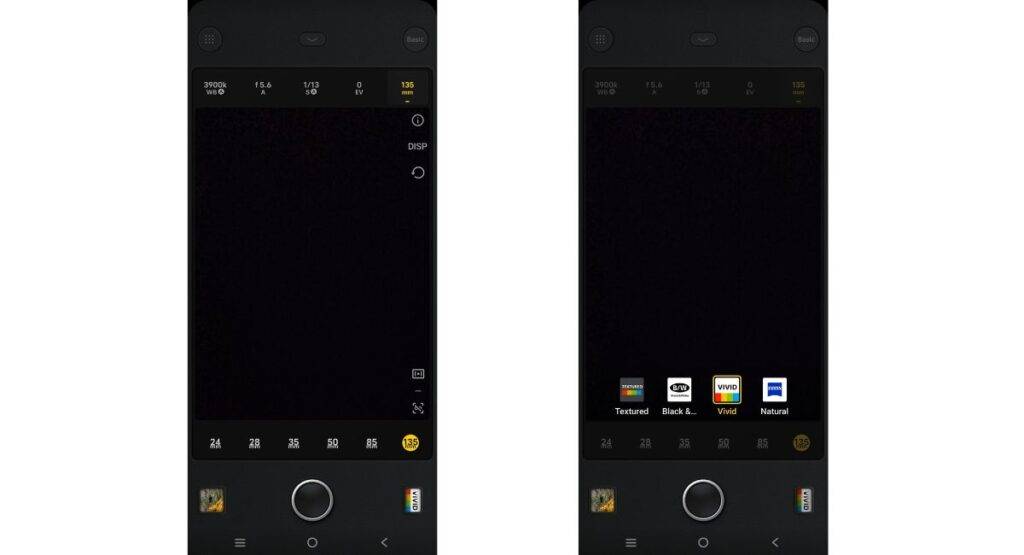
Street Photography is a brand-new mode that can be accessed by swiping up while in Photo mode. A quicker way to access this mode is by double-clicking the volume-down button when the phone is locked. In addition to adjusting white balance, aperture, shutter speed, and exposure, Street Photography also allows you to choose between five focal lengths and four color modes, providing greater control over the type of photos you want to capture while photographing subjects on the street.
A quick word on the 32MP selfie camera, the X200 Pro captures sharp and appealing selfies though expect some softening of facial features when capturing in low light conditions. The X200 Pro is a capable phone for videography as well, offering features like 4K HDR, Dolby Vision and more to deliver high-quality videos with good stability thanks to OIS attached to the main and telephoto cameras.
Performance and software
Vivo is going with the MediaTek Dimensity 9400 chipset, a flagship processor, on the X200 Pro. To recall, the X100 Pro uses the Dimensity 9300 SoC. Additionally, the latest flagship comes with 16GB of LPDDR5X RAM and 512GB of UFS 4.0 storage. You can read my in-depth performance review of the X200 Pro to know more about how the flagship performance against rivals like iPhone 16 Pro, iQOO 13 (review), and OPPO Find X8 Pro (review).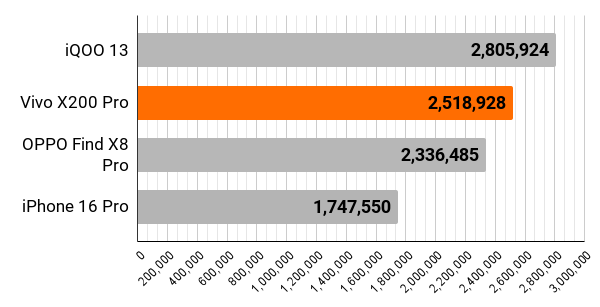 AnTuTu tests a smartphone’s overall speed with respect to processor. Higher scores mean faster, smoother device performance.
To put it briefly, the Vivo X200 Pro is an outstanding performer, offering blazing-fast speeds in real-world usage, even if it doesn’t lead the pack in synthetic benchmarks. Powered by the Dimensity 9400 SoC, it handles demanding tasks with ease and is optimised to minimise throttling compared to its competitors in the segment.
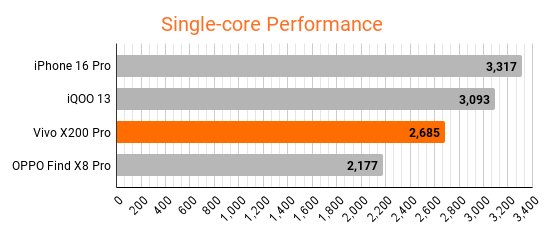
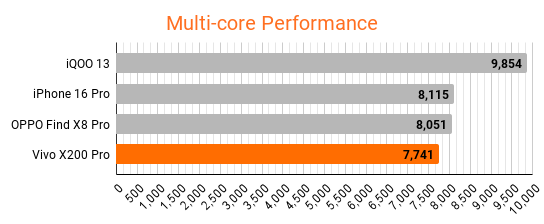 Geekbench measures how fast a processor does certain tasks. Faster the processor, higher the score.
The Dimensity 9400 chipset handles daily apps and general usage effortlessly, with virtually no lag or freezing issues. It’s also well-equipped for more demanding tasks like video editing. Gaming on the X200 Pro is a delight, offering consistently smooth frame rates while maintaining stable thermals, even at the highest graphic settings.
Vivo X200 Pro ships with Android 15 with Funtouch OS 15 on top. Out of the box, you do get a fairly large amount of pre-loaded third-party apps like Snapchat, Myntra, PhonePe, and some gaming apps like Block Blast, Rolling Twins, and Tile Master 3D. You can uninstall the ones you absolutely don’t need for a cleaner UI. You will need to spend some time tweaking the UI to your taste, after which Funtouch OS should feel easy to get used to.
Vivo is promising four years of major software upgrades and five years of security updates for the X200 Pro. This means the phone should get Android 19 four years down the line.
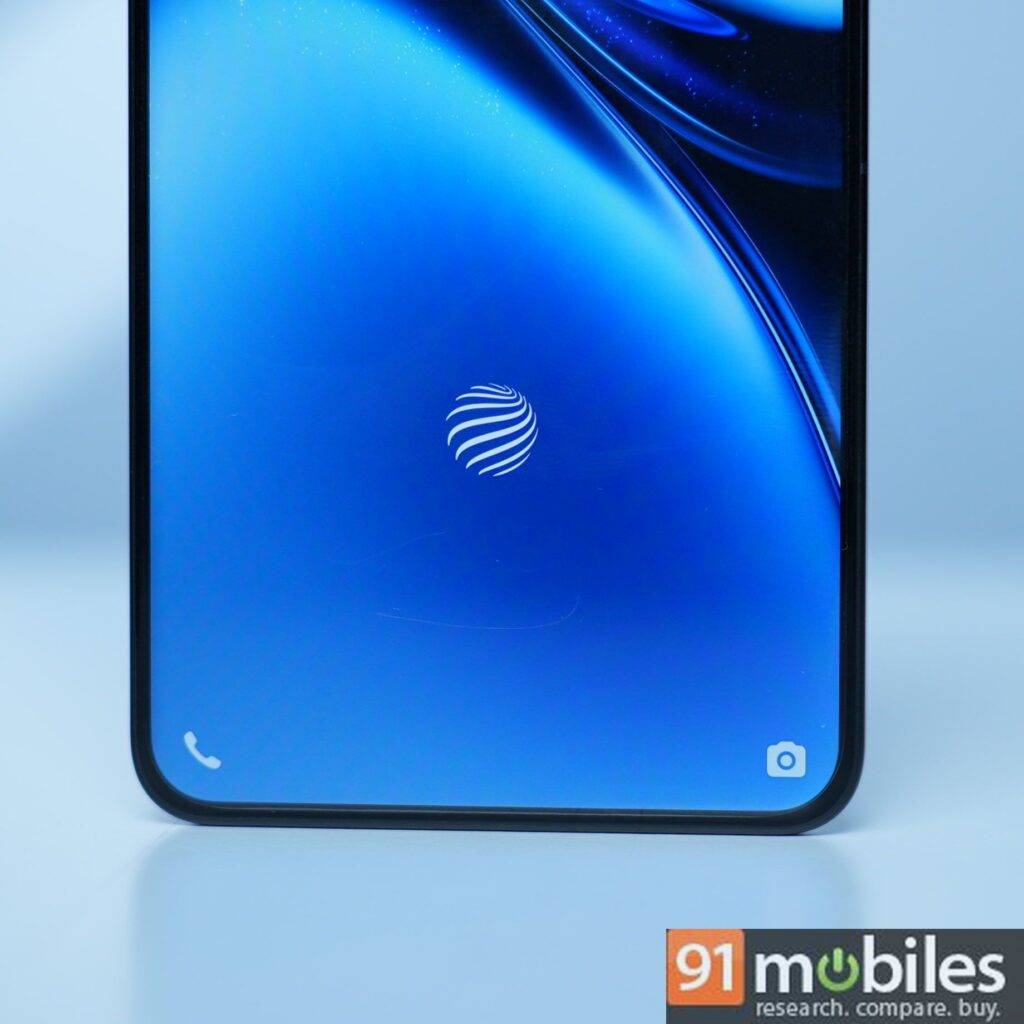
The latest Vivo flagship gets an ultrasonic fingerprint sensor, which is faster and more responsive than the traditional optical fingerprint sensor present on the predecessor.
Battery
By now, you would have seen that Vivo has made upgrades across the board. Things are no different in the battery department. The Vivo X200 Pro gets a 6,000mAh battery, which is 600mAh bigger than the one used in the X100 Pro. Vivo has managed this using a 3rd-gen silicon anode and semi-solid state technology, which allows for a bigger battery capacity without increasing its thickness.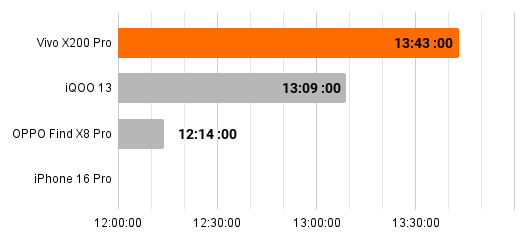
PCMark Battery test assesses a phone’s possible screen on time on a single charge after simulating real-world usage.
The bigger battery does translate to better battery life, as the X200 Pro can last a full day with change on medium to heavy usage. I was able to get anywhere between 6 to 7 hours of screen on time, which included a few hours of streaming content, checking mails, social media browsing and more.
The bigger battery does translate to better battery life, as the X200 Pro can last a full day with change on medium to heavy usage. I was able to get anywhere between 6 to 7 hours of screen on time, which included a few hours of streaming content, checking mails, social media browsing and more.

The only downside here is that Vivo has lowered charging speeds from 100W to 90W, possibly to ensure longer battery health. Even the wireless charging speed has dropped from 50W to 30W. Using the bundled charger, it takes roughly 42 minutes to charge from 20 to 100 percent. You can read my in-depth battery review to find out how the Vivo X200 Pro stacks up against the iQOO 13, OPPO Find X8 Pro, and iPhone 16 Pro.
Final verdict
The Vivo X200 Pro maintains the benchmark set by its predecessor, the X100 Pro, and is the camera phone to beat in 2025. The X200 Pro also brings significant upgrades across the board.The standout feature remains its ZEISS-engineered rear camera system, which is a benchmark for smartphone photography. At its core is an extraordinary 200MP telephoto lens, delivering excellent clarity and detail, whether capturing distant subjects or shooting portraits. This is complemented by a versatile suite of lenses, ensuring professional-grade performance in virtually any lighting condition.
The X200 Pro also shines in other key areas. Its display offers vibrant colours, deep contrast, and ultra-smooth refresh rates, making everything from streaming to gaming a delight. Powered by the latest MediaTek Dimensity 9400 chipset, the phone delivers smooth performance, handling multitasking and demanding apps with ease. Battery life is another strong point, though the downgrade to the charging speeds is a little disappointing.
Altogether, the Vivo X200 Pro is a well-rounded flagship that justifies its Rs 95,000 price tag.
Vivo X200 Pro is finally here and brings much-needed upgrades to the already fantastic X100 Pro from last year. It brings the same 200-megapixel telephoto lens from the X100 Ultra model, Vivo's best camera smartphone ever. The X200 Pro does not just get the best features from Ultra but also packs an aggressive price tag and, on paper, looks like a solid overall package. Of course, the Zeiss imaging partnership is in its fourth year, and we can see how that has benefited Vivo globally.
In India, Vivo is currently the top smartphone manufacturer thanks to the excellent numbers it has managed to pull with Y and T-series phones. On the other hand, the X-series sits at the top of their smartphone portfolio and has helped them make a solid presence felt in the premium segment. Unlike some other smartphone brands, Vivo hasn't been missing from the premium range, which is something that has worked for them in the long run. At Rs. 94,999, the Vivo X200 Pro seems like a no-brainer, but does it deliver what it promises? I will break it down in this review.
Vivo X200 Pro Design: Getting better like fine wine
- Colours: Titanium Grey and Cosmos Black
- Ingress Protection: IP68 + IP69
- Weight: 228 grams (Titanium Grey)

It comes with IP68 and IP69 water and dust resistanceThe first time you hold the X200 Pro, you feel the heftiness (228 grams Titanium Grey), but thanks to its aesthetic design, it should not take long before you get used to it. If you have medium-sized palms, the X200 Pro is convenient to use with just one hand. Though, there's a slight learning curve where you get familiarised with the size. I love the boxier design of the X200 Pro when compared to the more curved look of the X100 Pro.

It supports dual nano SIMs
This year, Vivo introduced a new colour shade with the X200 Pro - Titanium Grey, which looks stunning. There's the regular Cosmos Black for those who love black. The X200 Pro has an IP68 and IP69 ingress protection rating for additional peace of mind.
Overall, the Vivo X200 Pro ticks all the right boxes when it comes to what a premium smartphone should pack in. The design is sophisticated, and thanks to the large circular ring with Zeiss branding, Vivo phones can be recognised in a sea of similar-looking phones.

You have to appreciate the attention to detail; for example, the sunburst pattern at the back encircling the camera looks outstanding
Vivo X200 Pro Display: Top-notch
- Display size: 6.78-inch AMOLED
- Resolution: 1260x2800 pixels, 452PPI pixel density
- Refresh rate and peak brightness: Up to 120Hz and 4500nits
Pro.

The 6.78-inch LTPO display offers up to 4500nits peak brightness
For everyday use, the display panel on the X200 Pro is excellent as it offers punchy colours and is bright in various lighting conditions. The text appears sharp. It is one of the best displays from the house of Vivo for multimedia consumption, be it streaming or gaming.
At the India launch, Vivo claimed that the X200 Pro packs Armor Glass at the front, which is tough and 11 times more drop-resistant than the X100 Pro. Vivo has gone with a quad-curved display on the X200 Pro, adding a premium touch to the device. Adding another feather to the hat, the X200 Pro also gets 2160Hz PWM dimming, which can reduce flicker and eye strain for comfortable viewing, be it day or night. The X200 Pro also packs a host of Smart Eye Protection features to reduce display fatigue, a neat addition.

Vivo X200 Pro Camera: A master choice
- Primary: 50-megapixel Sony LYT818 sensor with f/1.57 aperture, PDAF and OIS
- Ultrawide: 50-megapixel sensor with f/2.0 aperture and 119-degree field of view
- Telephoto: 200-megapixel with PDAF and OIS
- Selfie: 32-megapixel (fixed focus)
On the other hand, at first glance at the camera spec sheet, the primary camera looks like a downgrade, especially considering that the X100 Pro came with a 1-inch sensor. The X200 Pro packs a 1/1.28-inch sensor, which is slightly smaller, and I will talk about the quality in detail in a bit. Lastly, the ultrawide is a 50-megapixel sensor with autofocus, and the 32-megapixel selfie camera is carried over from the X100 Pro.

The rear camera features the Zeiss T* Coating
The camera UI is familiar; however, Vivo has tried its best to simplify things for users. We've got an all-new Landscape mode combining multiple modes, including Night, Supermoon, Long Exposure, Astro, Landscape, Panorama, and time-lapse. Vivo has baked in a street photography mode for those who love it, which can be triggered by double pressing the volume down button. It is a handy mode for taking quick shots, and now, let's dive straight into the camera quality.
Daylight pictures come out well with the primary camera on the X200 Pro. There are plenty of details, accurate colours, and the dynamic range is on point. This was mostly consistent across different lighting conditions where the phone kept noise levels in check. Below are some samples from my testing time, and you can see that the X200 Pro doesn't look like a downgrade from the X100 Pro, at least in real-world usage.


It runs on Funtouch OS 15, based on Android 15
The X200 Pro packs a powerful haptic motor, and I had a good time playing and typing on the X200 Pro. It also packs a powerful loudspeaker setup, good enough to fill a medium-sized room. The phone comes with Widevine L1, which enables you to enjoy HD streaming on platforms like Netflix and Amazon Prime Video. The X200 Pro supports all 5G bands for connectivity, and I faced no issues with Airtel and Jio using 5G networks. It supports USB 3.2, and the phone is excellent for calls. The built-in dialler app has a voice recording feature, which can be enabled for all calls in the settings.
The X200 Pro packs an ultrasonic in-display fingerprint sensor, which is snappy, and to make it visually appealing, Vivo offers multiple on-screen animations. There's also a face unlock feature that works well.

It comes in a single variant - 16GB+512GB storage
UI and AI
The X200 Pro runs Funtouch OS 15 based on Android 15. Vivo gets a brownie point for at least shipping the X200 Pro with Android 15; otherwise, we have a few recent smartphone launches where devices have been released with Android 14 out-of-the-box. The phone gets 4 years of Android OS updates and 5 years of security updates - again, a first from Vivo.
The X200 Pro comes with 4+5 years of software support
Funtouch OS 15 offers a cleaner and more minimalistic interface than previous Funtouch OS versions. App launches are quicker, and animations are smoother than X100 Pro. Plenty of customisation options include icon styles, shapes, and even sizes. Users can also personalise the lock and home screens. Vivo also touched upon its all-new Guardian Privacy Protection Matrix, which sounds more like the Samsung Knox equivalent for Vivo phones.
There are also AI features like AI Note Assist, AI-enhanced signal boost, AI screen translation, AI transcript assist, Vivo live call translation, and Circle to Search. I tried some AI features like AI Note Assist and AI screen translation, and they worked as expected. However, more polishing is required.

It comes with a bunch of preinstalled apps
The Albums app, Vivo's official gallery app, has some AI features for post-clicking editing, like AI Photo Enhance and AI Erase. They worked well during the review duration. Vivo has also made the link to Windows feature work more smoothly than before.
Apart from the Vivo suite of apps, the X200 Pro packs some third-party apps like Snapchat, Myntra, LinkedIn, Netflix, Facebook, and more. Of course, users can delete these apps if they seem unnecessary.
Vivo X200 Pro Battery: Big leapBattery size: 6000mAh battery
Fast-charging: 90W FlashCharge
Wireless charging: 30W support
2025 is the year when the 6000mAh battery will be a standard in high-end Android phones, and you can say that Vivo is an early adopter. The X200 Pro packs a semi-solid battery tech that can ensure optimum battery performance in extreme weather conditions, be it minus 20-degrees. The phone supports 90W FlashCharge and 30W wireless charging.

It supports 90W FlashCharge
In real-world scenarios, the X200 Pro is outstanding in the battery department. The phone delivered over 10 hours of screen-on time during my review in multiple test runs. In our HD video loop test, the phone lasted for a good 18 hours and 30 minutes. With heavy usage, the phone easily lasted over a day on a single charge where I had apps like Outlook, Slack, WhatsApp, Telegram, Gmail, X, Instagram, YouTube, Canva, and Maps open in the background at all times while using the camera for clicking photos and an hour of gaming. Of course, the output can change in different use cases. But I can guarantee that the X200 Pro can outshine other flagships like the iPhone 16 Pro Max and Pixel 9 Pro XL in any battery comparison. The phone can charge from 0 to 100 percent in under an hour, which is again impressive for a battery of this size.

Vivo X200 Pro can easily outshine competition devices in the battery department
Vivo X200 Pro Verdict
The X200 Pro is another masterstroke from Vivo. It packs in so much that when you compare it with any other rival smartphone in its price range, the X200 Pro beats them hands down. Of course, the first set of users sliding towards X200 Pro have to be camera enthusiasts, and there is no point in guessing that. But, as an overall package, the X200 Pro is Vivo's best smartphone offering in its 10 years of existence in India. Yes, it's that good.
The phone comes with a charging adaptor in the box
The cameras will blow you away, while the design will grow on you as you spend more time with the X200 Pro. Performance is handled well; software-wise, this is Vivo's most sorted device yet. The IP68 + IP69 ratings should give you peace of mind while navigating in some challenging conditions. The battery is a class apart and sets the benchmark high for other Android flagship smartphones. There are a few niggles, like the software still has bloatware, but none of the apps onboard will keep throwing random ads at you, and then inconsistent skin tones can be taken care of by jumping to Pro mode. The selfie camera is the Achilles heel of X200 Pro - not the best, but not the worst.
If you're looking for alternatives, then Oppo Find X8 Pro (Review) is the closest to match the spec sheet and features list. At the same time, there are other options like the Samsung Galaxy S24 Ultra (Review), Pixel 9 Pro XL (Review), and iPhone 16 Pro Max (Review), but you will have to spend significantly more.
Tags
ANDROID